
Walter’s Violence and Cromwell’s Escape
Wolf HallThis thread traces how Cromwell’s childhood abuse shapes his flight, his fear of violence, and his later understanding of power.
increasing Bearing strength in each event
 decreasing
Bearing strength in each eventdecreasingBeaten in the Yard
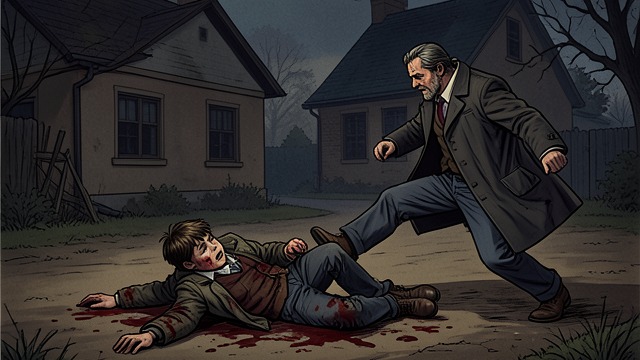
A Childhood Under Threat
The assault
Walter Cromwell knocks his son down and kicks him across the yard. The boy is badly injured and knows that returning to his father’s reach could mean another beating.
A decision to leave
Kat and Morgan offer shelter and money. The boy leaves Putney, carrying physical pain and a determination to make himself useful somewhere his father cannot command him.
The Road Becomes Education
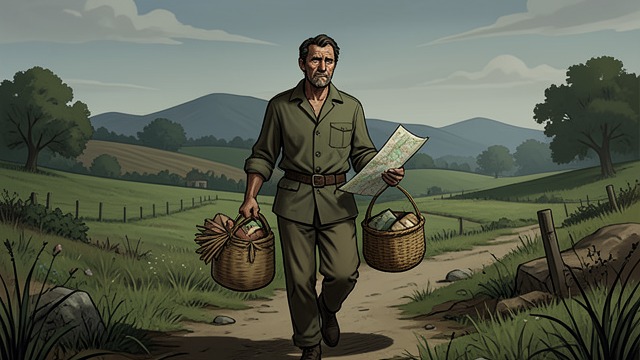
Learning to Survive
Skills without schooling
Cromwell travels through England and across the Channel, learning by observation, work, and danger. He becomes adept at bargaining, navigating unfamiliar places, and judging what others need.
Violence remembered
His experience as a soldier and trader does not erase the boy’s vulnerability. It teaches him how quickly force can decide a life and how practical competence can sometimes avert it.
A Different Use of Force
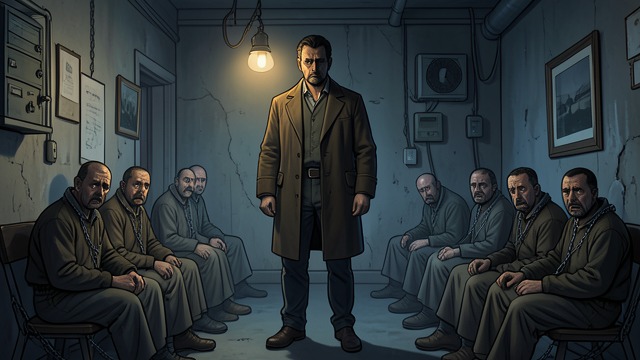
The Survivor’s Perspective
Memory in government
Cromwell encounters religious prisoners and the consequences of coercion while overseeing royal policy. His childhood memories return in sensory fragments rather than as a healed story.
Power without innocence
He can condemn cruelty and still participate in a system that threatens, imprisons, and executes. The trauma that taught him to survive becomes one source of his alertness, but not a guarantee of mercy.
Putney, around 1500
After leaving Putney, early sixteenth century
1535, during Thomas More’s imprisonment
